Quick answer
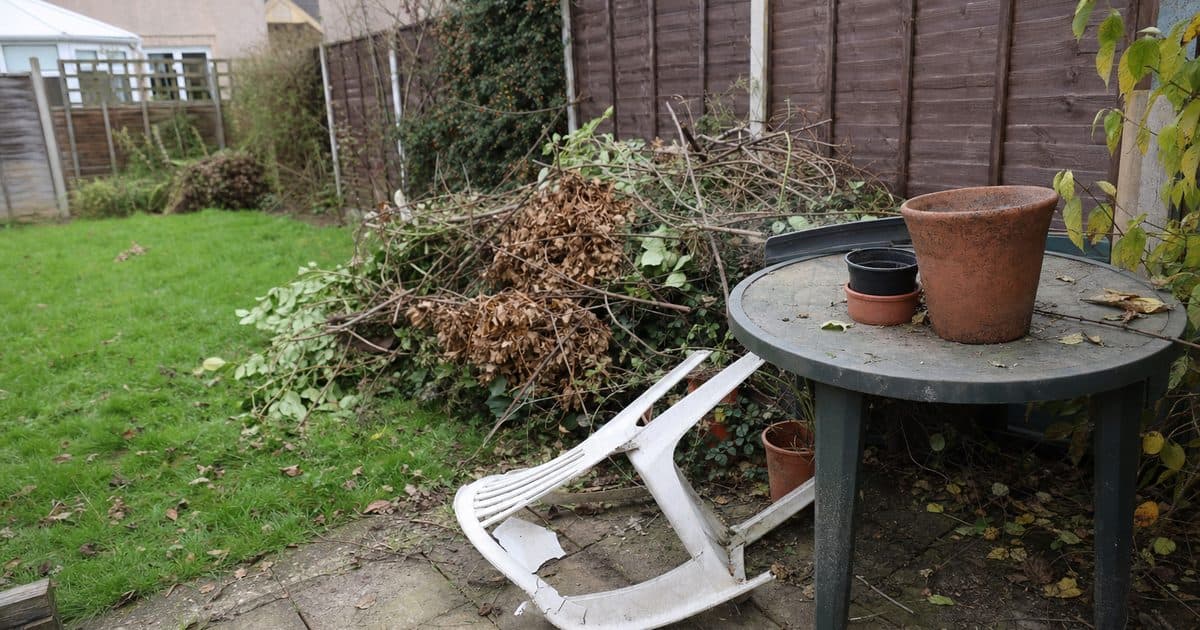
A good garden clearance usually includes branches, green waste, broken pots, old furniture and general outdoor clutter. If you also have a damaged shed or fencing, mention that early so it can be priced correctly.
Why summer prep matters
As the weather improves, many Trowbridge homeowners want to make better use of their gardens. A clear and tidy outdoor space is easier to enjoy, easier to maintain, and often feels much larger straight away.
Before summer starts properly, it helps to look at what has built up over the winter and spring. Branches, old planters, worn garden chairs and general waste can quickly take over patios, lawns and side paths. Clearing them early means you can get on with the enjoyable parts of garden use, like planting, relaxing or setting up outdoor seating.
What to clear from your garden
Every garden is different, but most pre-summer clearances in Trowbridge involve a mix of light waste and bulkier items. It is useful to walk around the garden and make a simple list of what needs to go.
Green waste and branches
Cuttings from hedge trimming, grass, weeds and fallen branches are some of the most common items to remove. If you have recently pruned shrubs or cut back overgrown areas, pile the waste in one place so it is easy to collect.
It also helps to separate very light green waste from thicker branches or logs. That makes the job quicker and gives a clearer picture of the space involved.
Old furniture, pots and general clutter
Garden furniture often gets left outside for years after it stops being used. Broken chairs, rusted tables, cracked pots, plant trays, old toys and storage boxes can all add to the mess. These items are usually best removed together with other outdoor clutter.
- Broken garden chairs and tables
- Cracked plant pots and containers
- Worn cushions, parasols and covers
- Children's outdoor toys and plastic storage
- Loose tools, hose reels and empty bags
How to sort items before booking
A little sorting before the clearance can make the process smoother. You do not need to clean everything or move heavy things far. Just group items into sensible areas so they are easy to assess and lift.
| Item type | Best way to prepare it |
|---|---|
| Green waste | Bundle branches where possible and keep loose cuttings together |
| Furniture | Place chairs, tables and benches in one accessible spot |
| Mixed clutter | Gather smaller items into boxes or piles for easier collection |
| Heavy materials | Keep slabs, timber or broken panels separate from lighter waste |
If you are unsure whether something should be included, it is usually best to mention it when you enquire. Photos of the garden help a lot, especially if access is tight or the waste is spread across different areas.
What happens during a garden clearance
A typical garden clearance starts with checking the waste and working out the easiest way to remove it. For smaller gardens, this may be straightforward. For larger gardens, or those with overgrown corners and awkward access, the team may need to plan the load carefully.
Once everything is agreed, the clearance can usually be carried out in a single visit. Items are then loaded and removed, leaving you with a usable space ready for tidying, planting or arranging furniture.
If you are also clearing indoor clutter, it can sometimes help to combine the job with services like Domestic Waste Removal or Furniture Removal. That is especially useful when old items have been stored in the garage or conservatory for a long time.
When to include sheds, fencing or heavy items
Some garden jobs go beyond simple green waste removal. A rotten shed, broken fence panels, damaged doors or heavy timber can change the amount of work involved. It is important to mention these items early so the clearance can be planned correctly.
If a shed is unsafe, full of stored items, or needs dismantling before it can be removed, you may need a more specialist service such as Shed Clearance or Shed Demolition. If the job includes large structural parts, it is better to be clear from the start rather than treat them as ordinary garden waste.
Heavy or awkward materials such as panels, timber frames and old fixtures may also need extra handling. Clear access, a brief description and a few photos can make the quotation process much simpler.